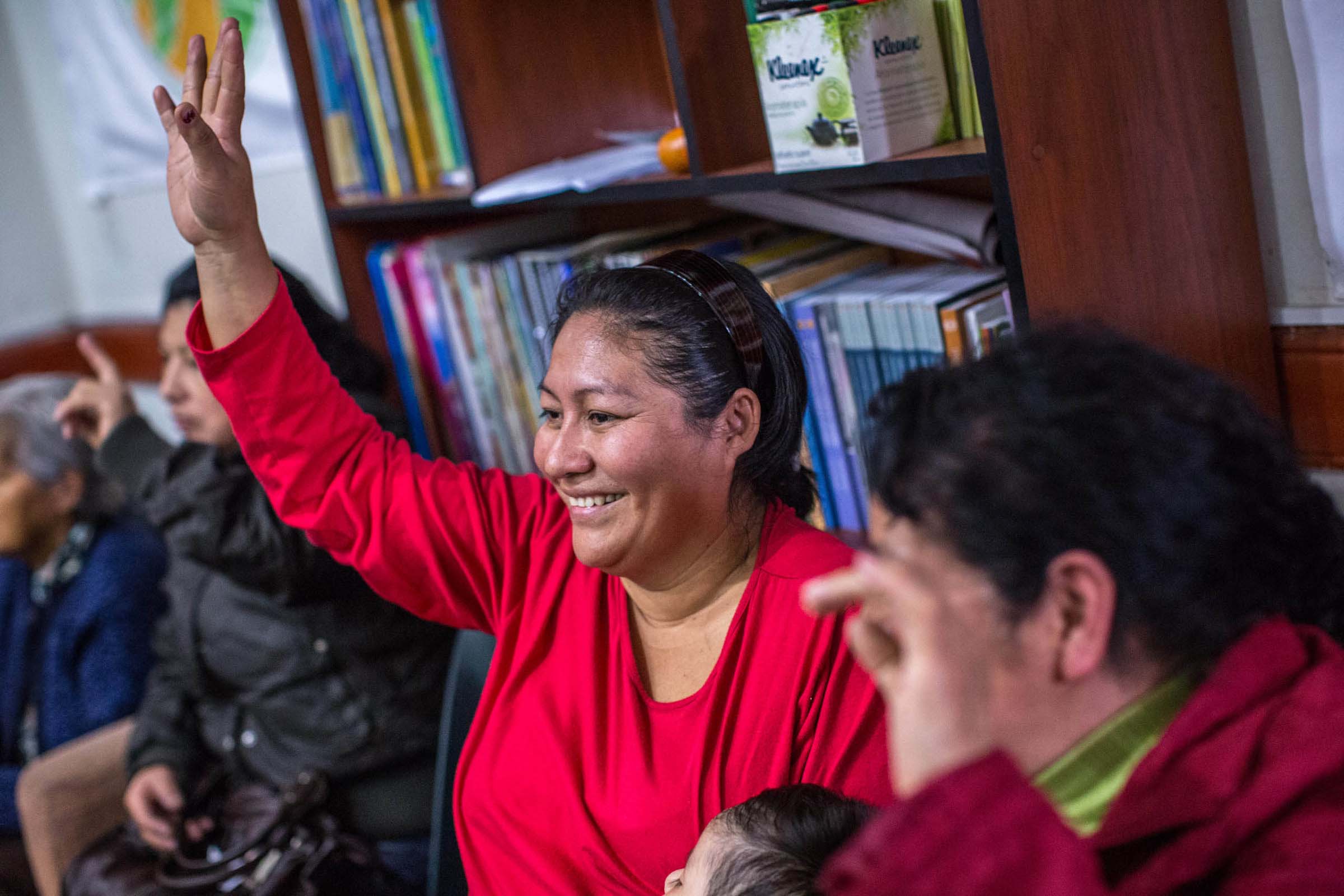
a men and three womans gathering

PAHO

Health in the Americas 2026

Prioritizing avertable disease burden to maximize impact

Key message · 01

The Region of the Americas has made important health gains over recent decades, yet these gains are uneven and financially fragile

In 2023 life expectancy in the Region was 77.1 years, surpassing its pre-pandemic 2019 peak of 76.7 years. Healthy life expectancy has also improved, although more slowly.

Regional averages mask meaningful inequities across countries and population groups. These inequities are shaped by income, geography, education, access to care, and other social determinants.

Universal health coverage remains an unfinished task: essential service coverage has expanded, but out-of-pocket spending still accounts for nearly one-third of current health expenditure in the Region.

Read full chapter ↗ Cite
Key message · 02

Structural pressures are reshaping demand for health services faster than many health systems are adapting and making health gains harder to sustain

Aging populations, declining fertility, and migration are reshaping both the volume and the composition of the demand for health services. The shift toward chronic and disabling conditions adds further pressure on already strained health systems.

Slower economic growth, limited health budgets, and inequality restrict the resources available to respond, sharpening the imperative to prioritize maximum health impact.

Read full chapter ↗ Cite

Key message · 03

The burden of disease is shifting decisively toward chronic diseases and disability, even as premature mortality remains significant

Healthy life lost due to disability or ill health, as a proportion of total disability-adjusted life year (DALY) burden, has increased over time. This signals growing needs for integrated chronic disease management, mental health services, rehabilitation, disability support, and continuity of care, alongside continued action to prevent premature deaths, violence, and injuries.

Although age-standardized disease burden has improved over time, crude disease burden remained elevated in 2023. This indicates increased demand for services overall associated particularly with aging and chronic conditions.

Read full chapter ↗ Cite

Key message · 04

Health loss remains concentrated in a relatively stable set of conditions and is driven by a small number of modifiable risks

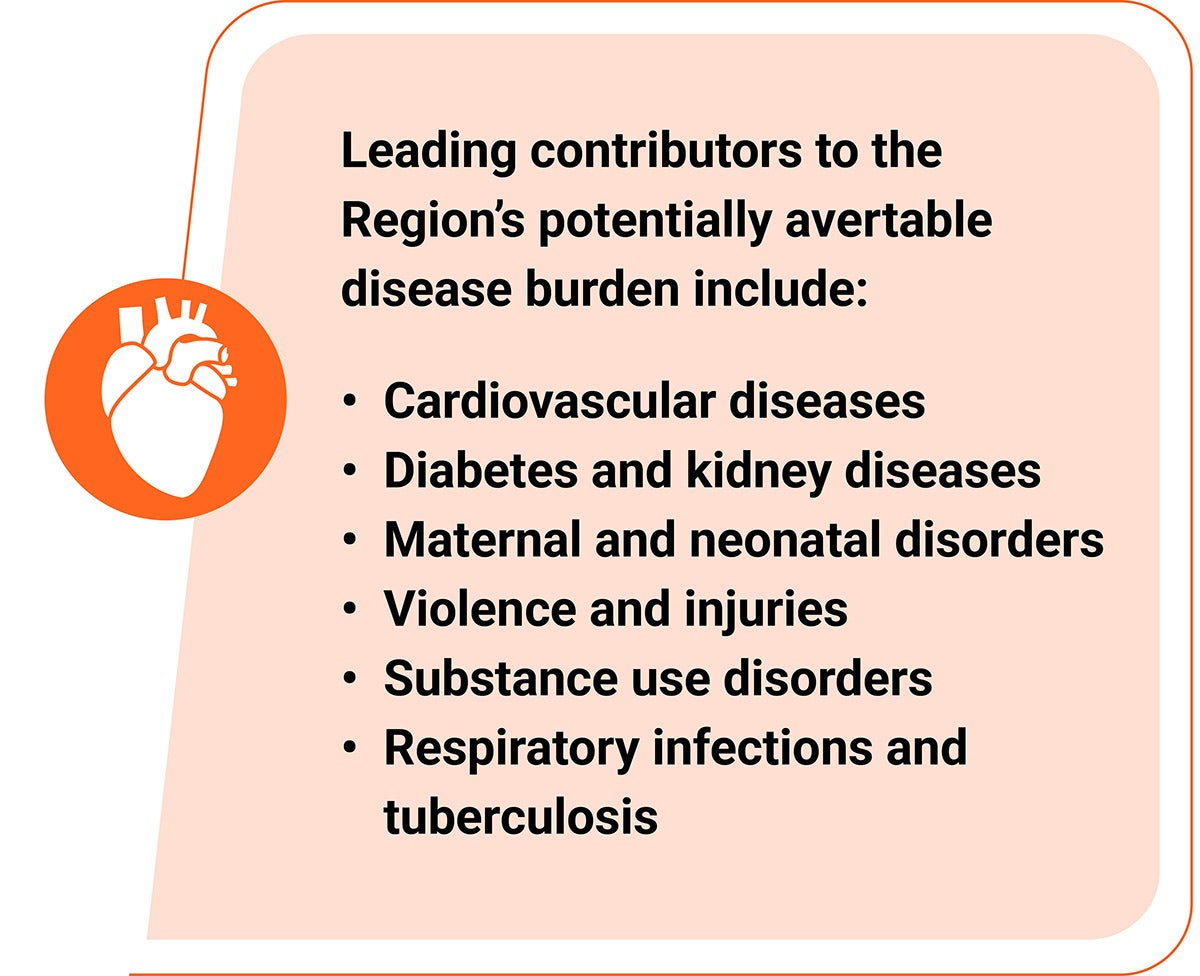
Cardiovascular diseases, cancers and other neoplasms, diabetes and kidney diseases, musculoskeletal disorders, and mental health conditions dominate the burden profile.

A small set of modifiable risk factors drives multiple high-burden outcomes simultaneously. These risks include high blood pressure, high blood sugar, excess bodyweight, unhealthy diets, physical inactivity, tobacco and alcohol use, and drug use. These shared risk factors create opportunities to address several leading causes of health loss through cross-cutting action.

Read full chapter ↗ Cite
Key message · 05

Approximately 40% of the Region’s disease burden in 2023 was estimated to be potentially avertable based on benchmark comparisons with better-performing countries

As opposed to a uniform target, this estimate indicates the scale of improvement possible across various highlighted disease categories. However, the actual scope of achievable improvement will vary by country and depend on disease patterns, institutional capacity, and available resources. The gap is largest in countries with less favorable health, service coverage, and enabling conditions.

High burden and high improvement potential are related but not identical: priority-setting requires considering both where burden is greatest and where demonstrated gains are most achievable.

Read full chapter ↗ Cite

Key message · 06

For much of the potentially avertable disease burden, a central challenge is translating existing evidence into explicit priorities and deliverable services

Many health systems remain organized around episodic, fragmented, and hospital-centered care. This approach is poorly matched to a burden profile that is shifting toward overlapping chronic and disabling conditions. Many of these conditions require continuous care through service delivery centered around primary health care (PHC) supported by referral-linked hospital services. A meaningful part of the resulting delivery gap is therefore a mismatch between community needs, burden patterns, service organization, continuity of care, referral systems, and delivery network readiness.

Experience shows that countries with similar levels of health spending can differ markedly in the share of total disease burden that remains potentially avertable, suggesting that some of the remaining gaps may be reduced through priority-setting and better organization, targeting, and use of existing resources.

Read full chapter ↗ Cite

Key message · 07

Fiscal and implementation constraints make explicit priority-setting especially urgent in the Region

Priority-setting is most effective when transparent, updated regularly, and based on burden, cost-effectiveness, affordability, feasibility, equity, financial protection, and delivery capacity. Priority-setting must also protect past gains and sustain established programs. Health benefit packages add value when priority interventions are translated into PHC-centered, hospital-linked service bundles backed by financing, workforce, medicines, diagnostics, data systems, and accountability mechanisms. Regional experience shows that explicit packages must be matched by institutional, financing, and delivery arrangements capable of sustaining implementation at scale.

Read full chapter ↗ Cite

Key message · 08

Modeling of a cardiometabolic service bundle illustrates how scale-up can be costed and linked to projected health gains to support planning

Under standardized 2025–2030 assumptions across five Latin American and Caribbean countries, scaling up the service bundle was projected to avert approximately 300–3400 cardiovascular deaths in total. The number depends partly on population size and other country-specific factors. Cumulative additional costs were estimated at about USD 2 million – USD 29 million.

These results illustrate the importance of country context and should be treated as a planning aid, not as a direct estimate of closing the potentially avertable DALY gap. Priority packages should also be assessed according to who benefits and whether they reduce financial hardship – not only by overall health gains.

Read full chapter ↗ Cite
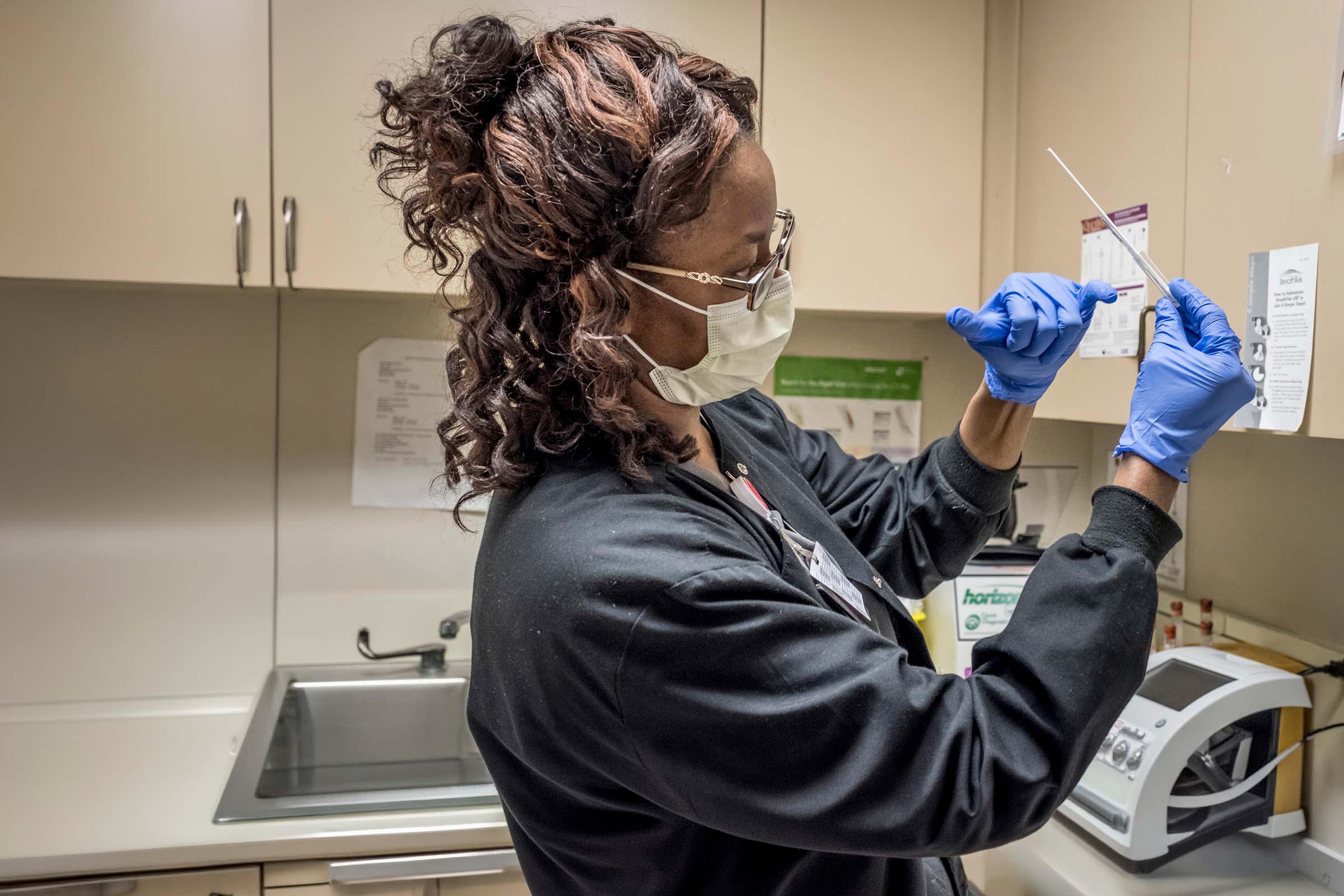
electrocardiograma
Photo: PAHO/WHO
control
Photo: PAHO/WHO

Key message · 09

Sustained impact depends on effective stewardship and governance

Five core capacities can address common health system challenges, including unclear or unintegrated priorities, weak alignment between service packages and budgets, institutional silos, and failure to translate evidence into actionable decisions.

Across the Region, uneven implementation capacity – both health workforce capacity to meet current needs and institutional capacity to embed and adapt priorities at national and subnational levels – remains a critical constraint.

Political will is an essential enabler: sustained political, technical, and administrative commitment enables countries to make explicit choices, protect financing, coordinate actors, and overcome implementation barriers.

Read full chapter ↗ Cite

Key message · 10

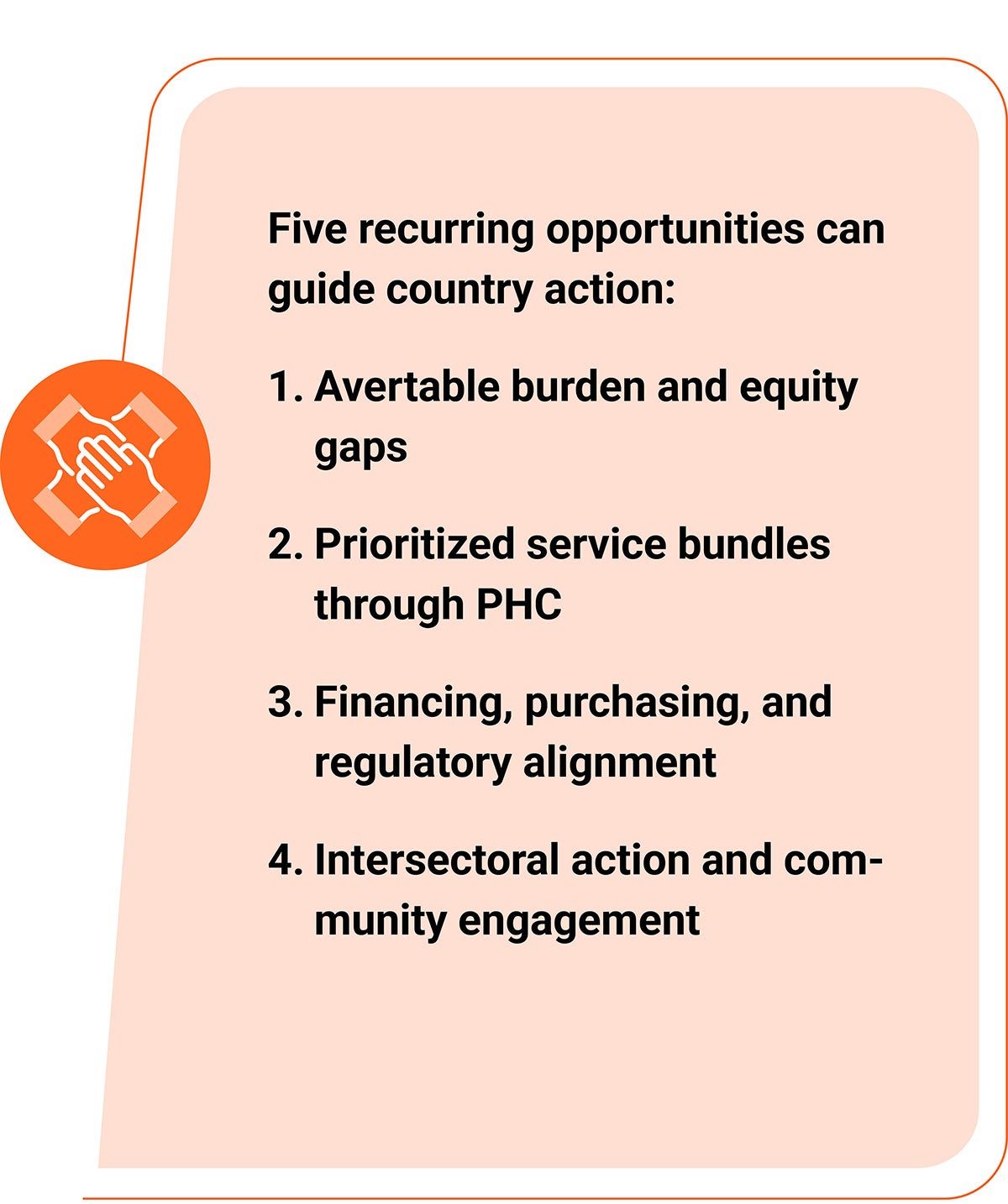
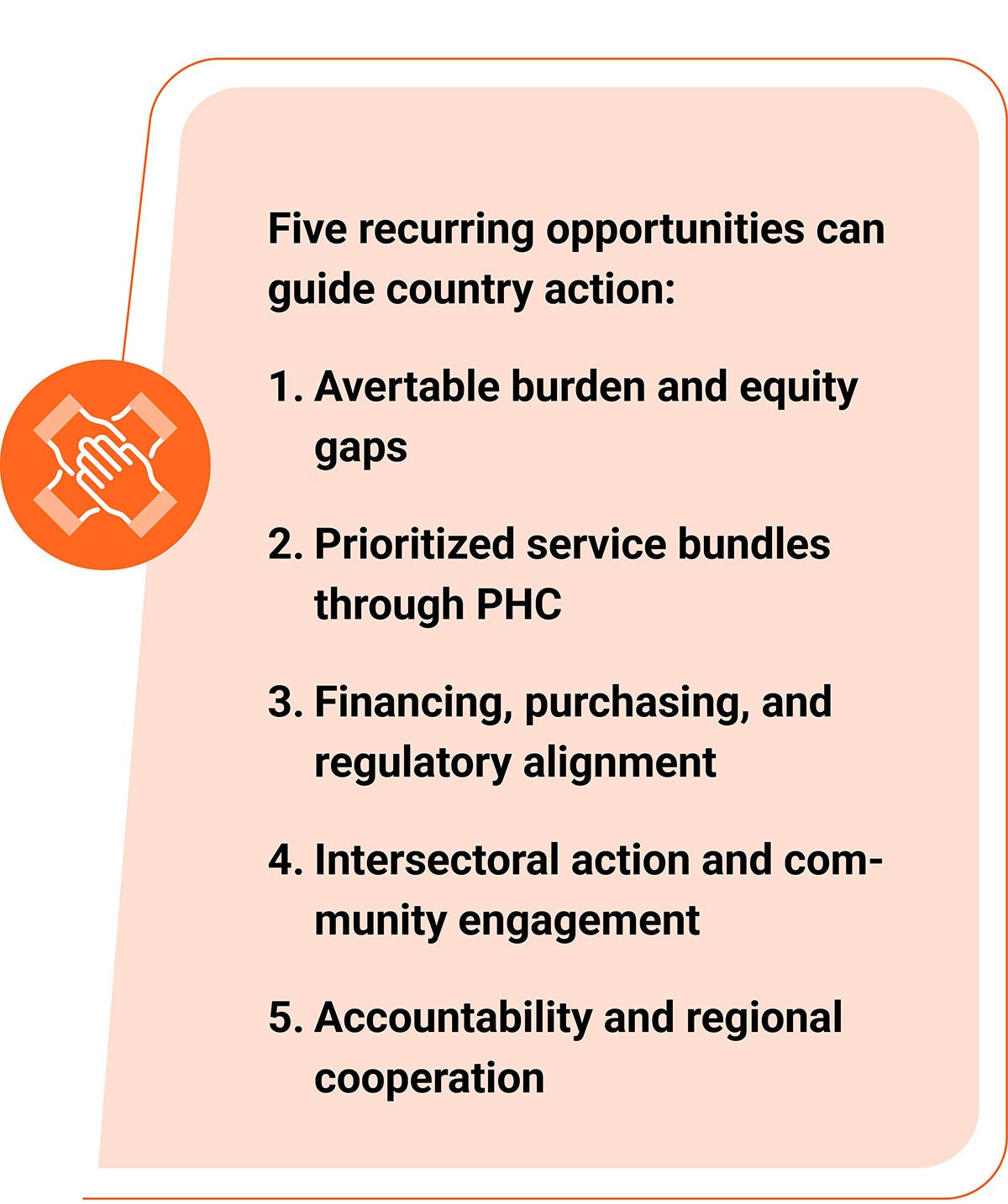
Five recurring opportunities can guide country action, adapted to each country’s burden profile, equity priorities, financing context, and implementation capacity:

1. Identify and close avertable burden gaps, using total and potentially avertable DALYs, risk attribution, equity evidence, and country-specific data to locate the greatest feasible and equity-enhancing health gains.

2. Build and assure the quality of PHC-centered service bundles for high-impact priorities, moving from long lists of interventions to prioritized, implementable services organized around community health needs and integrated health service delivery networks.

3. Align financing, purchasing, and regulation with priority service bundles through effective stewardship and governance, translating priorities into budget lines, purchasing rules, provider payment, essential medicines and diagnostics lists, quality standards, workforce planning, information systems, and public reporting.

4. Pursue intersectoral action and community engagement on shared behavioral, environmental, commercial, and social drivers of health, including tobacco and alcohol use, unhealthy diets, obesity, physical inactivity, air pollution, road safety, violence, climate-sensitive risks, water and sanitation, social protection, and healthy aging.

5. Strengthen accountability and leverage regional cooperation for implementation and learning, tracking whether priorities are funded and implemented, reach intended populations, and improve access, quality, equity, financial protection, and health outcomes.

Read full chapter ↗ Cite
Five recurring opportunities can guide country action

Key message · 11

PAHO can support countries by translating evidence into implementation at scale

The Pan American Sanitary Bureau – PAHO’s secretariat – can support Member States by:

  • Generating regional evidence on disease burden, risk factors, financing, service readiness, social determinants, and equity;
  • Strengthening health technology assessment and explicit priority-setting;
  • Translating priorities into costed benefit packages, service bundles, financing arrangements, and implementation road maps;
  • Leveraging regional platforms for pooled procurement, knowledge exchange, workforce capacity, digital tools and information systems, surveillance, regulatory strengthening, and cooperation among countries;
  • Convening regional learning collaboratives and providing technical solutions around priority service bundles and implementation challenges;
  • Supporting monitoring of implementation and adaptive course correction; 
  • Shaping regional implementation science, research, and innovation agendas.
     

Across different country contexts, the common agenda is to support equitable implementation through PHC-centered delivery, aligned stewardship and governance, intersectoral action, and continuous learning – mobilizing additional resources where needed while achieving greater value from existing investments.

Read full chapter ↗ Cite
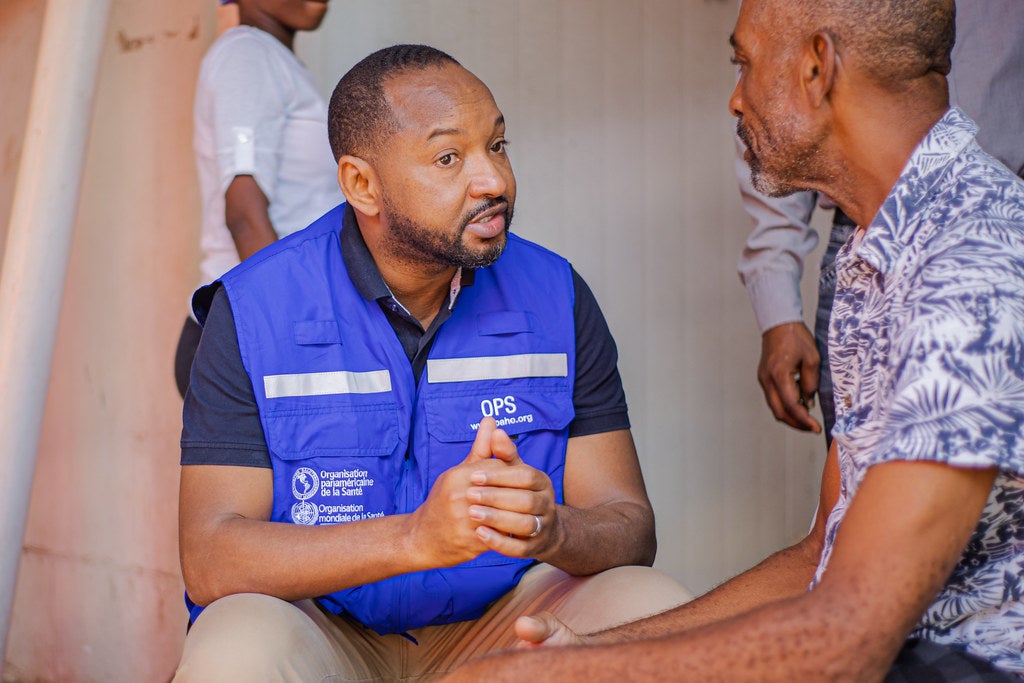
paho worker on the field
Photo: PAHO/WHO

Full report

Prioritizing avertable disease burden to maximize impact

Health in the Americas 2026 examines how the Region's health loss is changing in level, composition, distribution, and avoidability, and how countries can translate that evidence into explicit priorities, deliverable service platforms, guided by stronger stewardship for health impact.

More information

About Health in the Americas

One of the core functions of the Pan American Health Organization (PAHO) is “monitoring the health situation and assessing health trends” in the countries and territories of the Region of the Americas. PAHO’s flagship publication Health in the Americas responds to this mandate, examining health conditions, trends, and challenges across the Region.