

Health in the Americas

Foreword
The Region of the Americas has made important strides in health over recent decades, including gains in life expectancy, expanded access to care, and measurable progress against some of the most persistent diseases that have afflicted our populations. Yet, as this edition of Health in the Americas makes clear, much of the disease burden borne by the people of our Region remains potentially avertable – that is, many of the diseases or health conditions that people face could be treated and managed appropriately through timely, quality health care or prevented altogether through public health actions and primary prevention, such as antitobacco policies. Indeed the data show that other countries around the world have already achieved better results for those same diseases and health conditions. The challenge before us is no longer simply one of generating evidence – what works and why it matters is increasingly understood. Instead, the challenge is strong stewardship and effective governance. This includes the capacity of countries to translate evidence into action, resources into measurable results, and commitments into quality care delivered at scale.
The Report
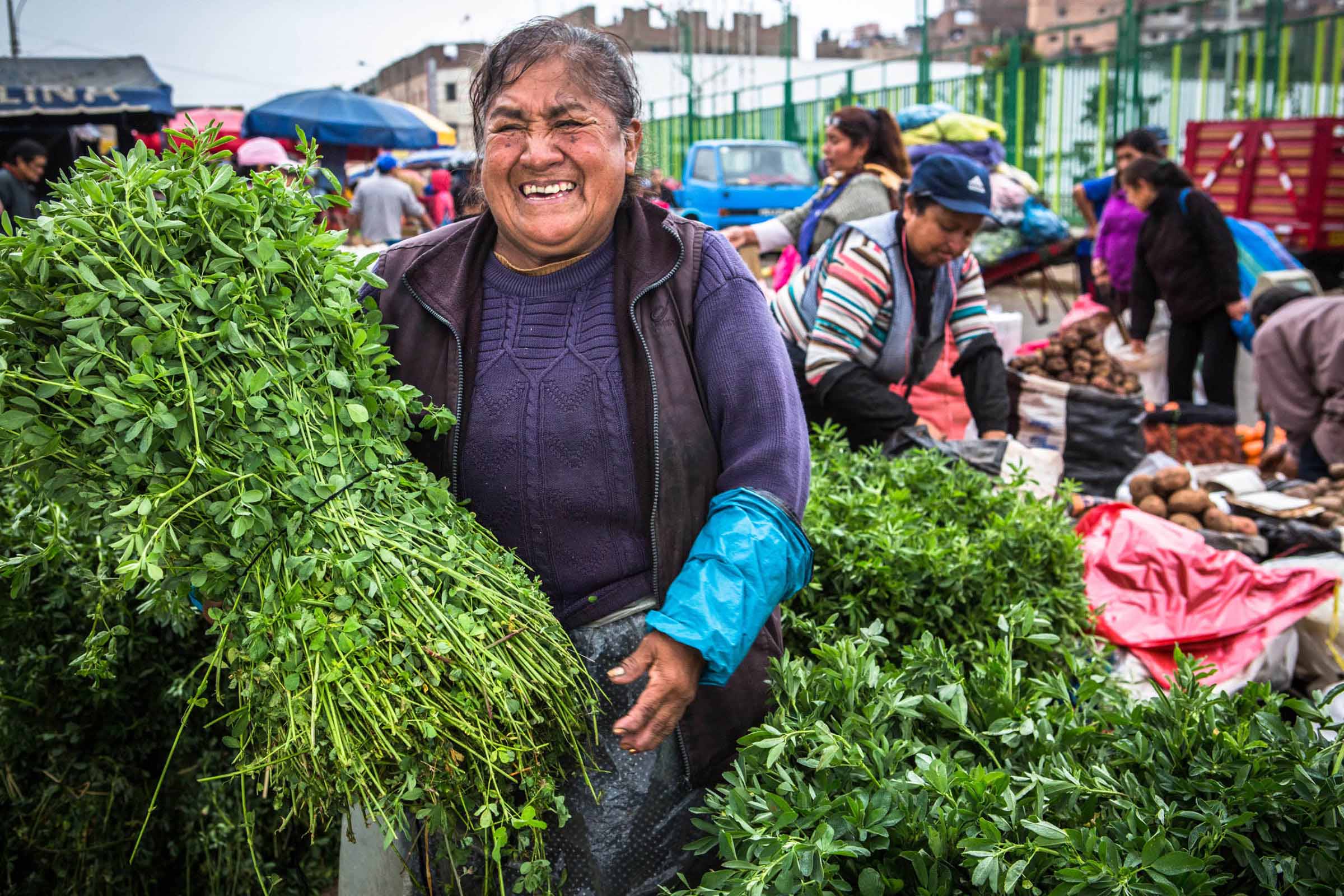
The Region of the Americas has made major health gains. People are living longer: life expectancy in 2023 reached 77.1 years, surpassing the pre-pandemic level of 76.7 years in 2019. People are also living healthier lives, although improvements in health have been slower than gains in longevity.
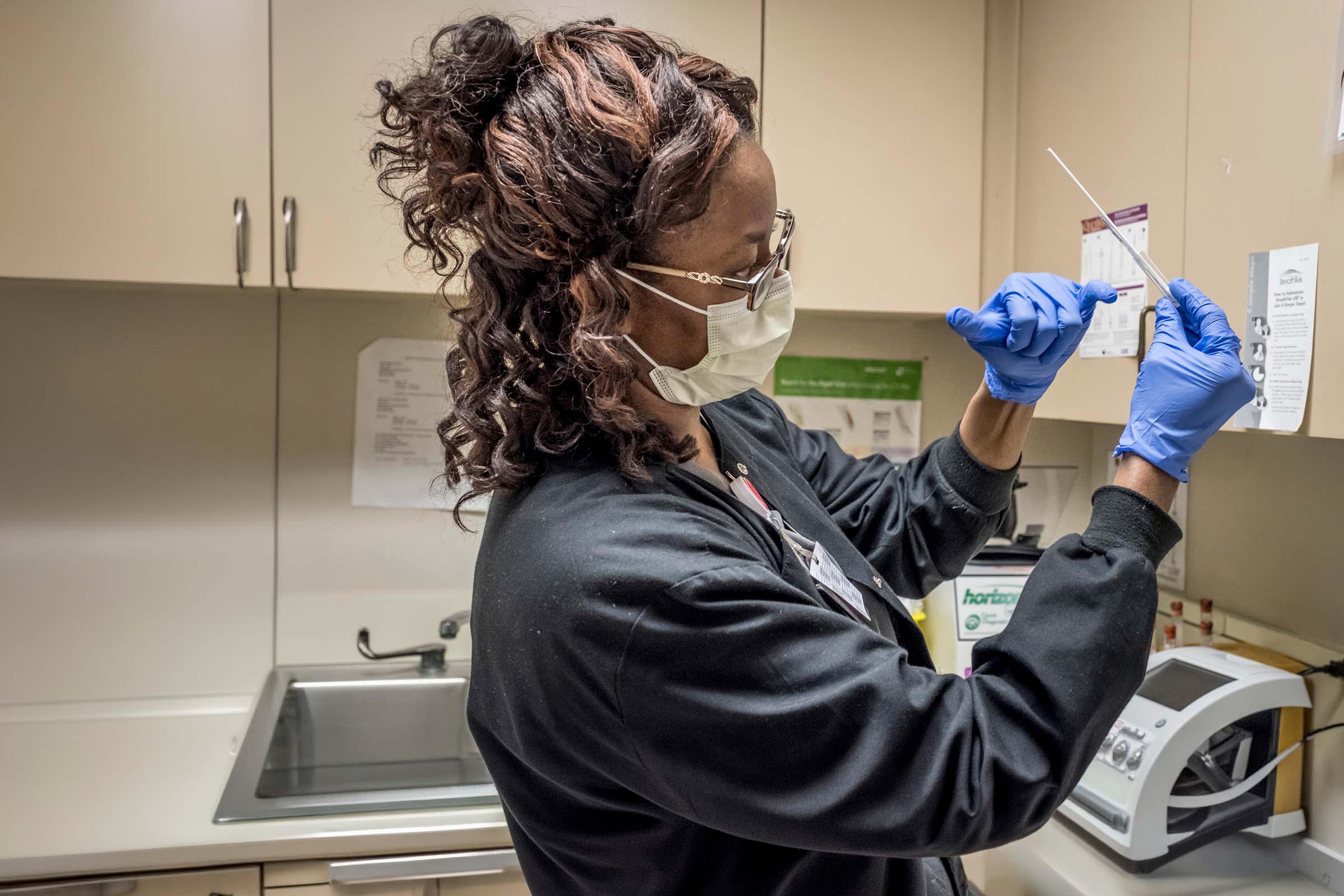
About 40% of health loss in the Americas could potentially be averted when compared with levels of health loss observed in better-performing countries globally. The gap is largest in countries with weaker health systems, lower incomes, and greater inequality.
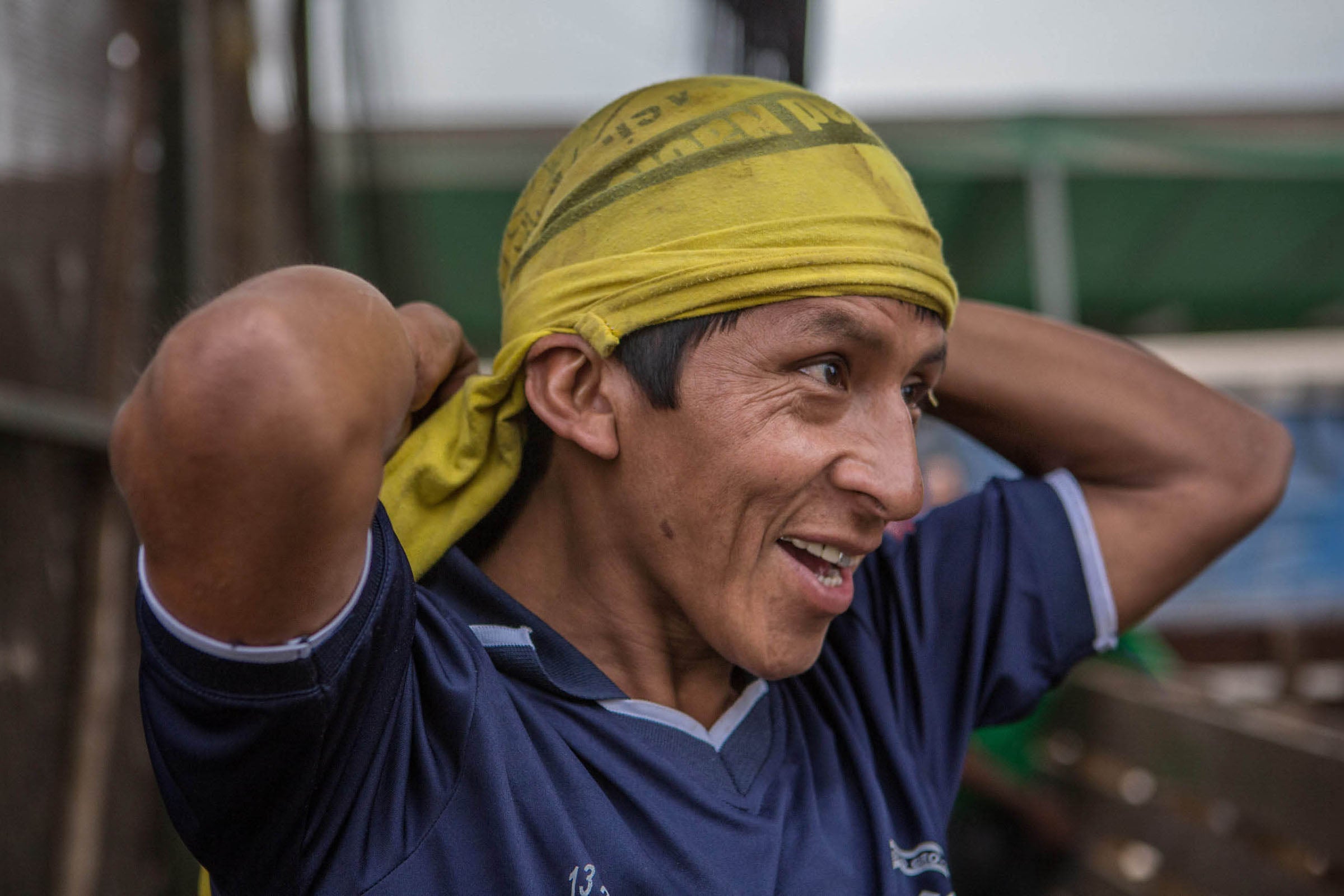
Limited budgets make priority-setting more urgent. Country decisions about where to invest should be based on health needs and consider cost-effective interventions. Decisions should also be made transparent to the public and be updated regularly.
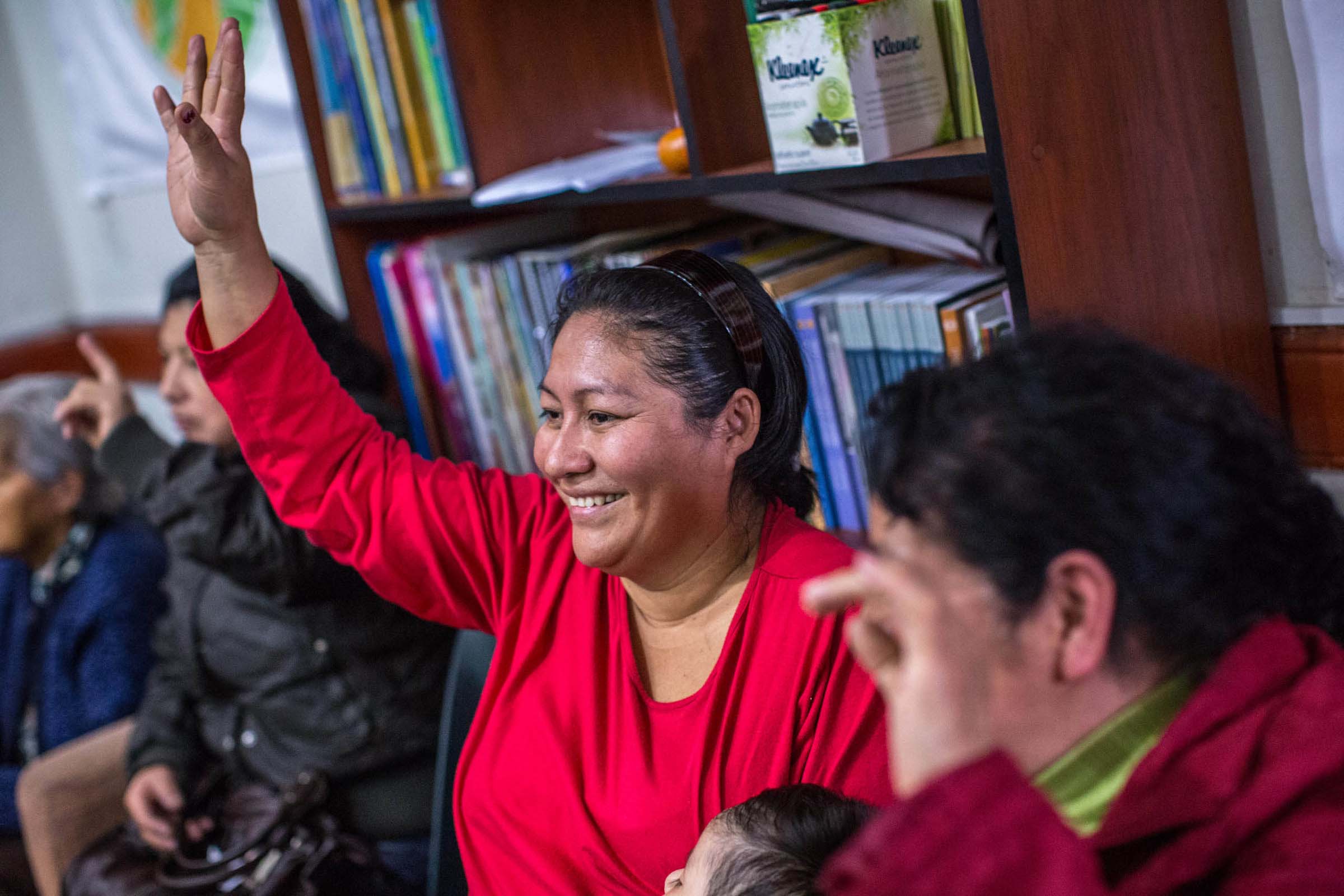
Setting priorities is important, but sustaining impact requires effective stewardship and governance. Countries need strong leadership to build priorities into day-to-day health system operations, link them to funding decisions, and adapt them as circumstances change.
Five key opportunities can guide country action
About Health in the Americas
One of the core functions of the Pan American Health Organization (PAHO) is “monitoring the health situation and assessing health trends” in the countries and territories of the Region of the Americas. PAHO’s flagship publication Health in the Americas responds to this mandate, examining health conditions, trends, and challenges across the Region.